Why is Iranian saffron famous around the world?
Known as red gold, Iranian saffron has been treasured for centuries for its vibrant colour, unmistakable fragrance and extraordinary culinary versatility.
From traditional Persian rice dishes to sophisticated European cuisine, saffron is an ingredient that brings luxury and character to food.
Iran has an extraordinary saffron-growing heritage. The Food and Agriculture Organization reported in September 2025 that Iran produces more than 90% of the world’s saffron. Its cultivation supports agricultural communities and an important international export industry.
But what makes Iranian saffron so desirable, and what does scientific research actually say about its potential health benefits?
What makes pure Iranian saffron special?
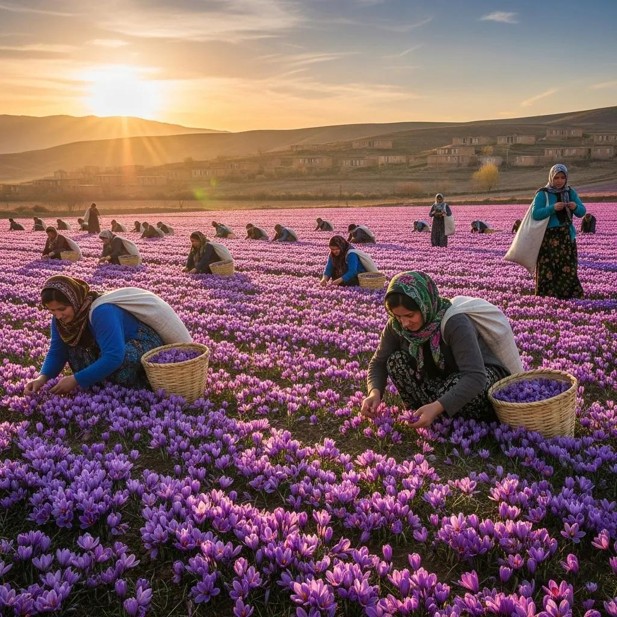
Iran’s saffron-growing regions, particularly Khorasan, have generations of experience cultivating and processing this remarkable spice.
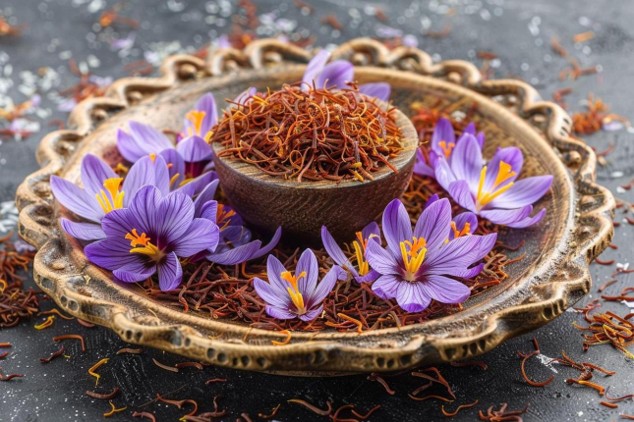
The saffron crocus flowers during autumn, when growers carefully collect its delicate purple flowers and separate their precious red stigmas.
Traditional knowledge, favourable growing conditions and skilled processing all contribute to the reputation of premium Iranian saffron.
The country also has an important agricultural heritage. The FAO recognised the traditional qanat-based saffron farming system in Gonabad as a Globally Important Agricultural Heritage System in 2018.
Nevertheless, origin alone does not guarantee quality. Freshness, drying techniques, storage and independent testing remain essential when choosing saffron.
What are the potential health benefits of saffron?
Saffron contains naturally occurring compounds that have attracted considerable scientific interest.
Three important constituents are crocin, picrocrocin and safranal. They contribute to saffron’s distinctive colour, taste and aroma.
Researchers have also investigated saffron extracts for their potential effects on mood, inflammation and other aspects of health.
1. Saffron and antioxidant activity
Crocin and crocetin are naturally occurring carotenoid compounds found in saffron.
Laboratory research has demonstrated antioxidant properties, meaning these compounds can interact with processes associated with oxidative stress.
However, laboratory antioxidant activity does not automatically establish that eating saffron prevents disease or provides a measurable clinical benefit.
Saffron can nevertheless be enjoyed as part of a varied, balanced diet.
2. Can saffron support mood and emotional wellbeing?
One of the most extensively researched areas of saffron supplementation is its potential effect