What are the different types of Iranian saffron?
Iranian saffron is celebrated for its rich crimson colour, distinctive aroma and exceptional culinary heritage. However, not all saffron is sold in the same form. From the beautifully long threads of Super Negin to the traditional bundles of Dasteh, understanding the different types of Iranian saffron helps you choose the right product.
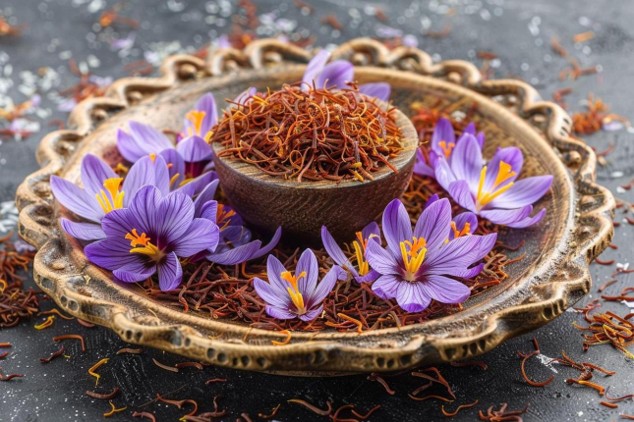
Saffron comes from the delicate red stigmas of the Crocus sativus flower. Each flower produces only three stigmas, which are carefully harvested, separated and dried.
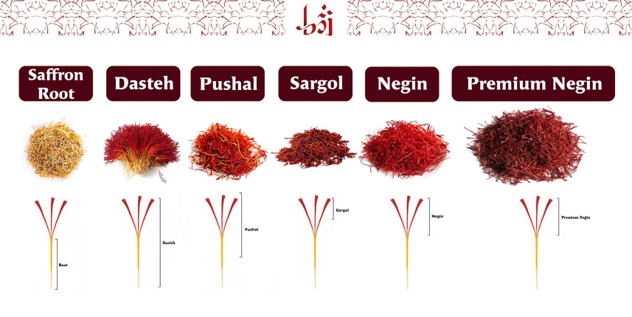
Iranian saffron is traditionally divided into five principal commercial types, distinguished by the length, appearance and proportion of red stigma to yellow style.
1. What is Super Negin saffron?
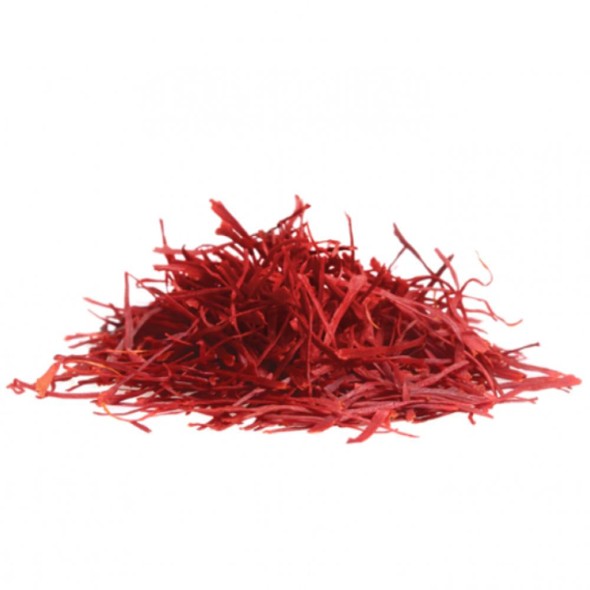
Super Negin saffron is a premium commercial grade recognised for its long, thick, uniformly red threads. It is carefully selected to minimise broken pieces and eliminate the pale yellow style.
Its elegant appearance makes it particularly attractive for luxury packaging, gourmet cooking and special occasions.
Why choose Super Negin?
- Long, intact red threads with an attractive appearance.
- Carefully selected for consistency.
- Suitable for premium gifts and sophisticated dishes.
- Available in batches with excellent colouring strength when properly harvested and stored.
Super Negin is frequently marketed as the highest presentation grade, although its actual chemical quality should still be confirmed through laboratory testing.
2. What is Negin saffron?
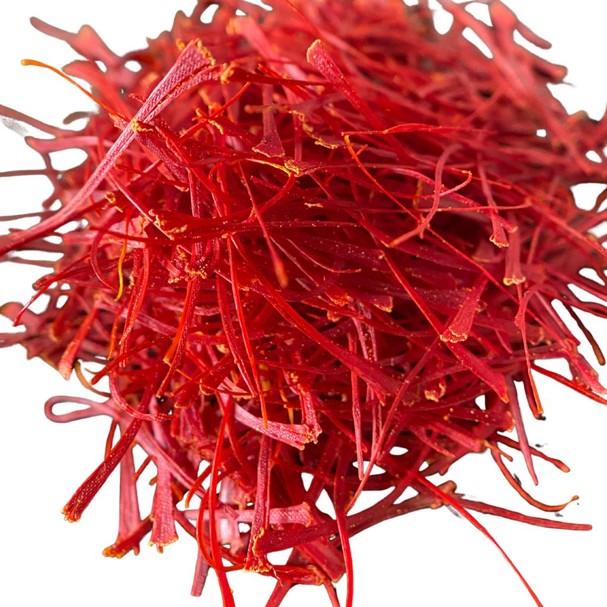
Negin saffron consists of attractive, predominantly intact red stigmas. Its threads may be slightly shorter or less uniform than those selected for Super Negin.
It offers an excellent combination of presentation and culinary performance.
Negin is a popular choice for Persian rice, saffron-infused desserts, luxury tea and restaurant cooking.
For shoppers comparing Super Negin vs Negin saffron, the principal difference is the strictness of thread selection. Both can deliver excellent flavour and colour when fresh and properly processed.
3. What is Sargol saffron?
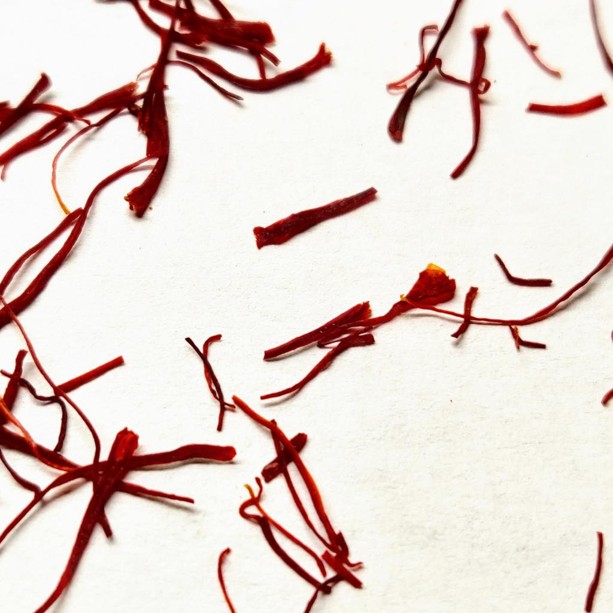
Sargol means the top of the flower in Persian. This grade contains the red stigma portions with the yellow style removed.
Sargol threads are often shorter than Negin and may contain more broken pieces. Nevertheless, they can provide excellent colouring strength because the product consists primarily of red stigma.
Sargol is particularly useful for everyday cooking, saffron rice, soups, sauces and desserts. Its shorter appearance does not automatically mean inferior quality.
4. What is Pushal saffron?
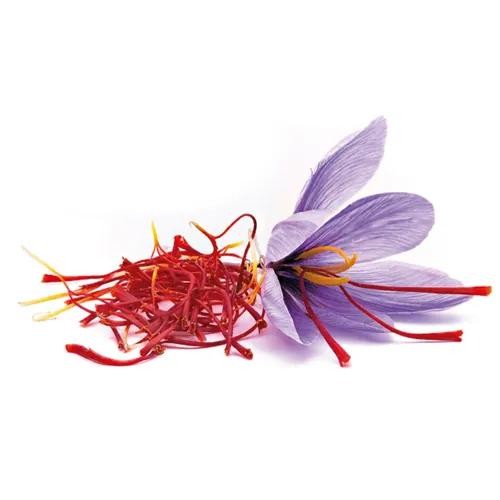
Pushal saffron contains red stigmas with a small portion of yellow or orange style still attached.
The visible yellow section helps distinguish it from all-red grades. Because this portion contributes less colouring strength, Pushal may have lower potency per gram than an equivalent all-red batch.
Nevertheless, authentic Pushal can be an economical and flavourful option for home cooking. It is suitable for traditional Persian stews, rice dishes and recipes requiring generous saffron infusions.
5. What is Dasteh or Bunch saffron?
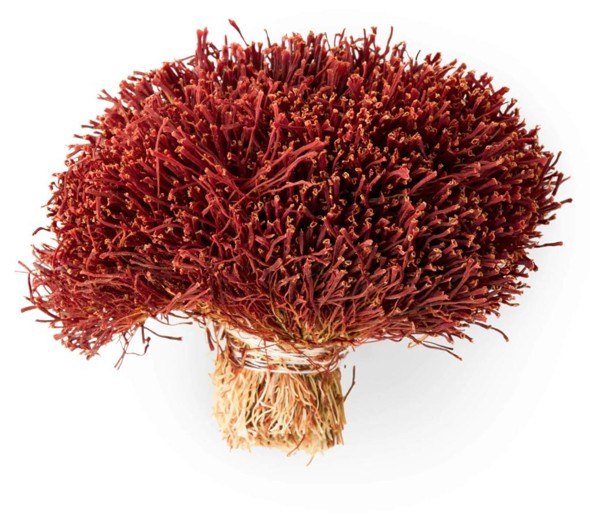
Dasteh, also known as Bunch saffron, is a traditional preparation containing red stigmas and their attached pale styles, often tied into small bundles.
It reflects older harvesting and preparation traditions. Although it generally provides less colouring strength per gram, it remains genuine saffron when correctly labelled.
Dasteh can appeal to buyers interested in traditional Persian cooking and the heritage of Iranian saffron production.
Which type of Iranian saffron should you buy?
| Saffron type | Appearance | Typical use |
| Super Negin | Long, uniform red threads | Luxury cooking and gifting |
| Negin | Long red threads | Premium everyday cooking |
| Sargol | Shorter red stigma tips | Rice, tea and desserts |
| Pushal | Red with some yellow | Traditional home cooking |
| Dasteh | Red and pale styles | Traditional preparations |
The important distinction is that traditional Iranian grades describe the physical form of the threads. Laboratory testing measures chemical quality, including the compounds associated with saffron’s colour, flavour and aroma.
How can you identify high-quality Iranian saffron?
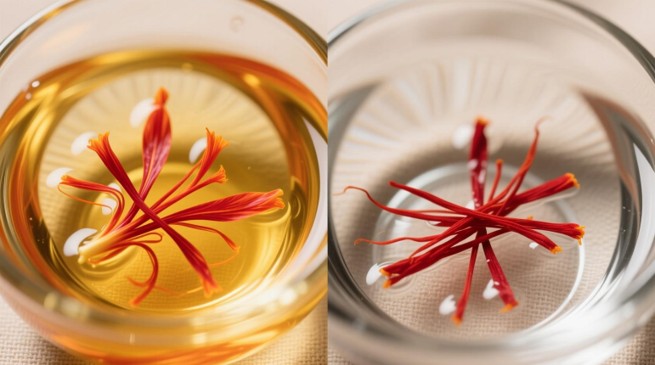
Look for vibrant red threads, a distinctive floral and hay-like aroma, transparent country-of-origin information and appropriate packaging.
Premium saffron should be protected from moisture, excessive heat and sunlight. A reputable supplier should also be able to explain its grading system and provide batch-specific laboratory information when available.
The international ISO 3632 standard establishes requirements for dried saffron in thread, cut-thread and powder forms.
Frequently asked questions
Is Super Negin better than Sargol saffron?
Super Negin is selected for longer, more uniform threads. Sargol consists of red stigma portions that may be shorter or broken. Both can provide excellent culinary results, depending on freshness and laboratory-tested quality.
Which Iranian saffron is best for rice?
Negin and Sargol are both suitable for Persian saffron rice. Bloom a small quantity in warm water before adding it to cooked rice to distribute its colour and aroma evenly.
Is expensive saffron always higher quality?
No. Price can reflect thread appearance, packaging, origin and supply. Laboratory results and freshness provide additional information about quality.
Should you buy saffron threads or powder?
Whole threads are easier to inspect visually and can be ground immediately before use. Powder is convenient but more difficult to assess without reliable testing.
Final thoughts
Understanding Iranian saffron grades makes shopping considerably easier. Whether you prefer the elegant appearance of Super Negin, the versatility of Sargol or traditional Dasteh, authentic saffron can transform ordinary recipes into memorable dishes.
Choose a trustworthy supplier, compare the actual grades and look beyond marketing descriptions when purchasing premium Persian saffron.